
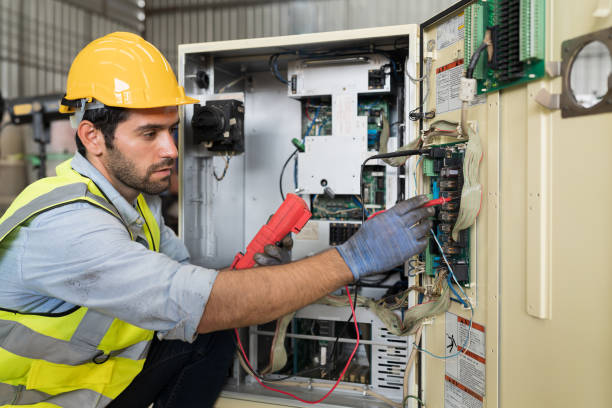
“Electrical safety begins with protecting the power that keeps your property running.”
Electrical safety is not determined by the quality of wiring alone; the devices protecting the entire electrical system play an equally important role. A sudden voltage fluctuation, current overload, short circuit, or electrical fault can damage appliances and create serious safety concerns when the appropriate protection is missing. Different properties also have different electrical demands depending on their size, equipment, and power consumption. Selecting suitable protective devices requires understanding these conditions rather than choosing components based on price or availability. Experienced Electrical Contractors in Chennai can help property owners assess electrical requirements and identify suitable protection arrangements for residential, commercial, and industrial installations.
To choose electrical protection devices, knowledge of the electricity consumption and the distribution of electrical loads in the property is important. A residential building equipped with lights, fans, refrigerators, and air conditioners will have different needs than a commercial building with many air conditioners or heavy equipment. Falsely sized loads may cause protection devices to trip frequently and/or not provide adequate protection during electrical faults. Use the connected loads to evaluate the suitable rating of protection devices and distribution of the load.
These are some of the key factors to consider when loading:
Miniature Circuit Breakers are of great significance to the protection of electrical circuits against overloads and short circuits. An overcurrent will trip an MCB and shut off the power supply, protecting against damage to wiring and equipment. The wrong rating will have an impact on the function of the device in response to electrical faults. Based on the circuit design, cable capacity, expected load, and fault conditions, the MCB should be selected.
MCB selection should consider:
Residual Current Devices protect by measuring the difference between “live” and “neutral” conductors. This imbalance could be a sign of leakage (including leakage around the intended connection) in the system. When the residual current exceeds the set operating value, the device cuts off the power supply. RCD protection is especially critical in spaces where persons can get in contact with electrical equipment, water, or conductive surfaces. It should be selected to fit the installation needs and appropriate electrical safety codes.
RCD selection factors include:
There are three main causes of electrical surges: switching activity, electrical network disturbances, and lightning. These transient voltage excursions can damage sensitive electronic devices, appliances, control systems and other connected devices. Surge Protection Devices are used to minimize transient overvoltages by diverting the surge energy around through an appropriate protection arrangement. The choice of the device will depend on the type of electrical equipment being protected, the exposure risks involved, and the type of electrical installation in the property.
Surge protection considerations include:
For certain faults, earthing offers an important safety path for fault currents and, for certain faults, creates a safety path for the protective devices to disconnect the electrical supply. If the earthing arrangement is not designed properly, exposed conductive parts of electrical equipment can be hazardous in fault conditions. The earthing system should be designed based on the electrical installation of the property, its supply arrangement, and its safety requirements. It is not just another wire; it’s a crucial component of the entire electrical protection system.
Earthing requirements include:
Fuses are used to protect the circuit against overcurrent by interrupting the circuit when overcurrent occurs. There are various ratings and designs for them, and they must be compatible with the requirements of the circuit. Fuses with a rating that is too low or too high will not provide the required level of protection. These factors, plus knowledge of the connected equipment, cable capacity, and fault conditions, can help in selecting a fuse specification.
When choosing a fuse:
Most electrical problems do not announce themselves before they occur, which makes choosing the right protective devices an important part of property planning. From a small residential circuit to a complex commercial electrical network, every installation needs protection that matches its actual power demands and operating conditions. The right combination of circuit breakers, surge protection, earthing, and safety devices helps create a well-coordinated electrical system rather than relying on individual components working alone. Consulting experienced Electrical Contractors in Chennai can help property owners identify suitable protection arrangements, address installation requirements, and plan for future electrical needs. A carefully protected electrical system provides a stronger foundation for safe, dependable power use.
Common protection devices include Miniature Circuit Breakers (MCBs), Residual Current Devices (RCDs), Surge Protection Devices (SPDs), fuses, and proper earthing arrangements. Each serves a different electrical safety purpose.
An MCB protects electrical circuits against overloads and short circuits, while an RCD detects residual current and helps protect against electric shock caused by current leakage.
Surge protection helps limit temporary voltage spikes that may damage sensitive appliances, electronic equipment, and electrical systems.
Inspection frequency depends on the installation, equipment condition, applicable regulations, and manufacturer recommendations. Regular professional checks help identify damaged components and potential safety concerns.
Look for qualified professionals with relevant installation experience, knowledge of electrical safety requirements, proper testing practices, technical expertise, and reliable after-installation support.

Looking for Painting Contractors in Guduvanchery? Well, PR Constructions & Developers, one of the best Construction Contractors in Guduvanchery, Chennai. We are one stop solution for Residential Interiors, Residential Painting Contractors, Plumbing Contractors, Electrical Contractors, Renovation Contractors, Compound Wall Contractors, Fencing Contractors in Guduvanchery, Urapakkam, Chennai.
