
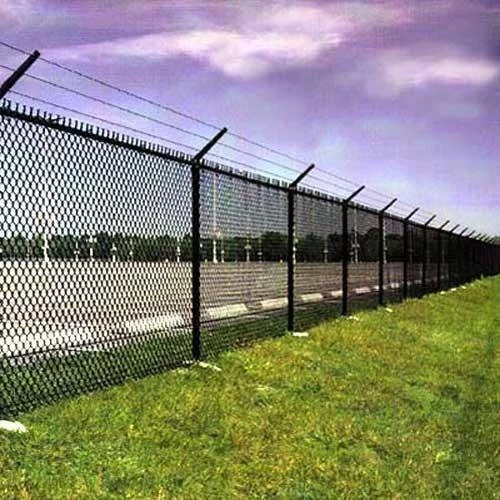
“Strong fencing begins with careful planning long before the first post is installed.”
A fence that looks perfectly aligned on installation day can develop problems later if the groundwork, measurements, or fixing methods are not handled correctly. Uneven posts, unstable foundations, poorly connected panels, and unsuitable material choices can affect the appearance, strength, and long-term performance of a boundary fence. Avoiding these issues starts with understanding the property layout, ground conditions, fencing requirements, and installation process before work begins. Working with experienced fencing contractors in Guduvanchery can help property owners plan the installation carefully and select suitable fencing solutions for their specific needs. Knowing the common mistakes in advance also makes it easier to identify potential problems and take preventive steps.
A successful fencing project is built on accurate measurements. Errors in boundary length, corner position, or gate openings can mean that the installation needs to be expensive adjusted later. The arrangement of the property should be carefully reviewed before construction to make sure the fence line does not stray from the planned boundary and does not exceed the property’s space limitations. Other benefits of correct measurements include the ability for contractors to estimate the materials needed and plan for the post positions needed.
Fence posts are more likely to be set in well if the ground is dry. The posts can be disturbed and poorly anchored by the loose soil, buried debris, uneven terrain, and unexpected obstacles. Site preparation prior to installation allows contractors to determine proper post placement and whether additional site preparation is needed. The preparation method should be based on conditions of soil, type of fence, and anticipated load.
Ground preparation involves:
Panels that aren’t placed along the intended line or posts that are not set to the same height can make a fence look untidy. Mismatching could also make things difficult when installing panels, joining panels, or installing gates. Prior to installation of posts, contractors should identify reference points and periodically inspect for installation throughout the project. The design should take into consideration variation in elevation where it is sloping, rather than placing all sections in an inappropriate position.
Alignment checks include:
Fencing materials are still subjected to the elements of the sun, rain, dampness, dust, and temperature. Choosing materials that are appropriate for the environment can help minimize deterioration and unnecessary maintenance. The best option also relies on the function of the fence, the aesthetics, the anticipated life span, and the budget. Contractors are advised to look at the whole fencing system – from posts to panels, fasteners, coatings, and supporting parts.
Material selection should consider:
Fence panels should be fastened securely to the posts in such a manner that the finished fence will stand up under normal use. Over time, sections can move or get misaligned due to loose fasteners, poorly fitted joints, and brackets that are not suitable. Appropriate fixing methods can ensure the load is distributed correctly and minimize the risk of any individual panel being loose. Any parts that are connected with each other need to be compatible with the fencing material and installation design.
Panel installation requires:
Gates should be designed with the fence and not as an add-on. The location, orientation, width, and operation of these affect the ease of access for people and vehicles to the property. Gates can come into contact with walls during poor planning, obstruct walkways, and become difficult to operate on uneven surfaces. Installing a gate in a way that takes into account daily needs helps to ensure that it fits into the overall design.
“A well-installed fence brings together practical design, reliable workmanship, and long-term performance.”
Water around fence posts can cause maintenance issues, particularly when the soil around the post continues to be saturated or erodes over time. The condition of poor drainage can cause instability of post foundations and can also be a factor in the corrosion of vulnerable metal parts. Contractors must look for water collection points before installing, as well as understanding how water moves naturally. Proper drainage can be used to conserve the fence and ground around it.
Drainage planning can involve:
A successful fencing project depends on decisions made before the panels are installed. Accurate boundary measurements, suitable post foundations, correct alignment, weather-appropriate materials, and secure connections all contribute to a fence that performs as intended. Planning gate access and drainage also helps prevent avoidable problems after installation is complete. By reviewing these details early and checking the finished work carefully, property owners can reduce the likelihood of costly adjustments and recurring maintenance issues. Choosing experienced Fencing Contractors in Guduvanchery can help ensure that the fencing plan reflects the property’s layout, intended use, and ground conditions. Careful preparation and proper installation can make a meaningful difference to the fence’s stability, appearance, and long-term usability.
Common problems include inaccurate measurements, unstable posts, uneven alignment, poorly secured panels, inadequate drainage, and gates that do not open smoothly. Proper planning and installation checks can help prevent many of these issues.
Ground preparation helps establish suitable post positions and foundations. Assessing soil conditions, removing obstacles, and checking the layout can support a more stable installation.
Choose suitable post foundations, install posts at the correct depth, maintain proper alignment, and use materials suited to the ground and expected loads. Regular inspections can help identify early signs of movement.
Inspect post stability, panel alignment, joints, gate operation, surface finishes, and any exposed sharp edges. Check that the completed work matches the agreed layout and specifications.
Compare relevant project experience, material options, installation methods, written quotations, workmanship standards, and warranty terms. Confirm that the contractor understands your property layout and intended fencing requirements.
Looking for Painting Contractors in Guduvanchery? Well, PR Constructions & Developers, one of the best Construction Contractors in Guduvanchery, Chennai. We are one stop solution for Residential Interiors, Residential Painting Contractors, Plumbing Contractors, Electrical Contractors, Renovation Contractors, Compound Wall Contractors, Fencing Contractors in Guduvanchery, Urapakkam, Chennai.
