
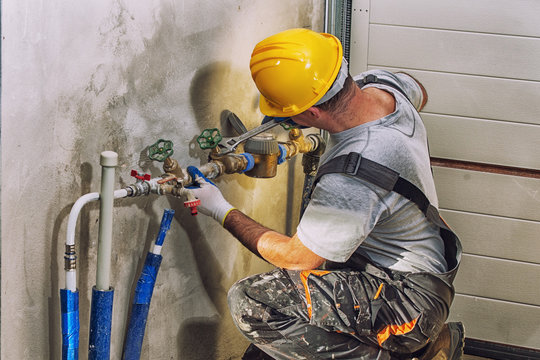
Home renovations are an exciting opportunity to improve your living space, whether you are updating an old bathroom, redesigning your kitchen, or giving your entire house a fresh look. However, behind every successful renovation is a plumbing system that works safely and efficiently. From relocating water supply lines to installing new drainage systems, plumbing plays an important role in making your renovated home comfortable and functional. Hiring experienced plumbing contractors in Chennai can help you avoid installation mistakes, unexpected repair costs, and delays during construction. Understanding what happens when you hire a plumbing professional also makes it easier to plan your renovation, set a realistic budget, and communicate your requirements clearly. Here is what homeowners can expect throughout the plumbing renovation process.
A successful home renovation starts with a plumbing system designed for lasting comfort and reliability.
The initial step is generally to have a look at what you have got and discuss your options for the project. Whenever getting started with doing or checking up on household work, plumbing companies must find out more about pipes, water supply hookups, materials, and currently set fixtures. This gives them an improved picture of how to make preparations for the work, as well as find any unusual difficulties that may go unseen until after the work is in progress.
During the initial consultation, expect your plumbing contractor to:
Then get a plumbing plan and estimate. This is especially helpful for large renovations that include several bathrooms, kitchen upgrades and modifications to the water supply or waste systems of the home. Ideally, a dependable contractor can advise you on what the work will include, rather than simply giving you a final figure. You need to know which equipment it includes and which it doesn’t, and whether the price estimate covers things like a charge for materials and installation, testing, debris disposal and tax. Whether there will be a charge for procedures other than those specified and how approval will be gained for any extra work can also be discussed. A written estimate will help you compare contractors and enable you to stay within your budget. You also need to realise that the lowest bid may not necessarily be the most appropriate if it excludes certain items or repairs.
A plumbing renovation estimate may cover:
Labour rates: Expenses for pipe laying, fitting, fixing, repair, and other pipe work.
Accessories and accessories: Pipes, couplings, valves, gaskets and any other accessories.
Fixture installation: Installation of any sinks, toilets, showers, taps, and water heaters that need to be installed.
Drainage alterations: Revisions of sewer pipes and drain connections.
Extra Repairs: Replace broken pipework or fix current plumbing faults.
A successful home renovation starts with a plumbing system designed for lasting comfort and reliability.
The product you choose for your job will play a role in how long-lasting, how well-maintained, and how efficient your plumbing system is. Your contractor can suggest the right product for your particular needs and will make sure that you are using high-quality, code-compliant products for your home, water pressure, and budget. There are different uses for different materials, and you could be able to use PVC and other approved plastic materials for some types of drainage systems, while you’ll use PEX, copper, or other approved materials for your water systems, depending on your local codes and specific project needs. Your fixtures also need to be considered. While a flashy tap or showerhead can be pretty, it’s not just about the looks but also about how much space it takes up, what type of connection it requires, and whether it’s compatible with your water pressure.
Here are the factors to look into when choosing plumbing:
Durability: Select materials suitable for the anticipated environment.
Water compatibility: Confirm that the components you choose are suitable for the job.
Maintenance: Consider how easily fixtures and connections can be inspected or repaired.
Budget: Weigh initial expenditure against anticipated duration and maintenance requirements.
Check fittings: Ensure new pipes and fittings fit well into the existing system.
A successful home renovation starts with a plumbing system designed for lasting comfort and reliability.
Usually, you won’t handle the plumbing on its own when you renovate your house. Many a time it has to be organised along with masonry, flooring, tiling, carpentry, electrical work and painting. It is the cause of waste and damage to other work.
A common order of renovation work might be:
Planning and marking: Confirm the locations of water outlets, drains, and plumbing fixtures.
Rough-In Plumbing: I’ll put in or change hidden pipes and drainage connections.
Inspection and testing: Examine work for drainage, leaks, and faults with the installation.
Wall and floor finishing: Fully tiled, plastered and finished, as approved.
Fixture fitting: Install toilets, basins, taps, showers and other chosen fixtures.
Final review: Evaluate the finished programme for bugs.
The proper procedure varies based on the renovation design and the local regulations. Your plumbing contractor will work with all other professionals involved to ensure that each step occurs at the correct time.
Also Read This: What Should You Look for in Professional Fencing Contractors?
A successful home renovation starts with a plumbing system designed for lasting comfort and reliability.
One of the things people worry about most at home is finding plumbing problems when it’s nearly too late. Many older buildings have old corroded pipes and concealed leaks, faulty fittings, or drainage systems that aren’t functioning as they used to. These problems are sometimes masked at first glance. Taking out existing cabinetry, flooring or wall coverings may uncover unforeseen problems. There are issues that are not anticipated. Your contractor should inform you of the issue, why it is an issue and how much it will cost to fix it. Should you proceed with rectifying the problem, get a fresh estimate of the additional cost.
Common problems that may require attention include:
A successful home renovation starts with a plumbing system designed for lasting comfort and reliability.
The contractor will install the new piping, relocate existing water connections, install new drains, or install any plumbing fixtures as specified in the approved new renovation. Different types of installations require different tests. If water supply pipes are concealed, they will need to be pressure tested after the walls or floor are completed. Drain lines may also have to be tested separately to ensure wastewater flows in the desired direction. Request an explanation from the contractor as to what tests have been performed to discover if any problems remain. Keep records of the inspection process, warranties, and documentation for the completed installation.
But it doesn’t stop there. You’ll want to make sure your system is checked to ensure it is in working order.
Some key quality checks may be:
Leak test: Checking pipes, joints, valves and fixture connections for leaks.
Water flow assessments: Ensuring that flows from outlets such as taps and showers are appropriate.
Drainage testing: Carried out to confirm wastewater flows out and does not continue to pool or back up.
Inspection of fixtures: Inspection of the secure fitting of washbasins, showers, taps, toilets.
Connection verification: Ensuring that the water heaters and all other appliances are plugged in and configured according to specifications.
A successful home renovation starts with a plumbing system designed for lasting comfort and reliability.
Have a meeting with the plumber when the renovator is about to complete the work. You might want to take a look at the completed installation and be sure it matches what was agreed upon and that your appliances and fixtures operate properly. Step inside the renovated room and examine every tap, toilet, sink, and shower, as well as all attached appliances. Double-check for any leaks, noises, slow drainage, loose fittings or connections, and moisture. Remember to also enquire about how to properly maintain your installation, and keep your plumber’s number handy.
Before the final payment, ask about:
The right plumbing contractor turns renovation plans into reliable solutions that last.
Hiring plumbing contractors in Chennai for home renovations involves more than replacing pipes or fitting new bathroom fixtures. It includes inspecting the existing system, planning the installation, selecting suitable materials, coordinating with other renovation professionals, resolving unexpected problems, and testing the completed work. Knowing what to expect at every stage helps you make informed decisions, manage your budget, and reduce the risk of avoidable delays. Before choosing a contractor, review their relevant experience, request a detailed written estimate, and discuss testing procedures and warranty terms. By working with qualified and dependable plumbing contractors, you can create a renovated home with a plumbing system designed to support everyday comfort, reliable water supply, and long-term functionality.
A successful home renovation starts with a plumbing system designed for lasting comfort and reliability.

Looking for Painting Contractors in Guduvanchery? Well, PR Constructions & Developers, one of the best Construction Contractors in Guduvanchery, Chennai. We are one stop solution for Residential Interiors, Residential Painting Contractors, Plumbing Contractors, Electrical Contractors, Renovation Contractors, Compound Wall Contractors, Fencing Contractors in Guduvanchery, Urapakkam, Chennai.
